Modern cancer care is built around diagnostic precision and disease staging. Tre...See More
Oct 14, 2026
Delivering precise treatment with compassion and advanced surgical expertise

Offering evidence-based care tailored to each patient’s unique needs

Ensuring faster recovery, reduced pain, and improved treatment outcome

Combining clinical excellence with empathy for quality of life

Bringing 8 years of experience in surgical oncology

.jpg)
.jpg)
.jpg)
.jpg)
About Us
Dr. Vikas Nehra is a dedicated Surgical Oncologist in New Delhi with advanced training in cancer surgery from India’s premier institutions. His expertise spans gastrointestinal, breast, head and neck, gynecologic, and soft tissue cancers. With strong foundations in both open and minimally invasive surgery, he is especially skilled in robotic-assisted cancer procedures that ensure precision, faster recovery, and greater patient comfort.
Beyond technical excellence, Dr. Nehra emphasizes a patient-centered approach, carefully tailoring treatment plans to achieve the best clinical outcomes while maintaining quality of life. He works in close collaboration with medical oncologists, radiation oncologists, radiologists, and pathologists for holistic, evidence-based care.
Dr. Nehra is also committed to advancing oncology through research and continuous learning, staying updated with the latest surgical innovations. His vision is to combine compassion with cutting-edge expertise, guiding patients through their cancer journey with trust, empathy, and confidence.






Advanced Oncology Solutions with Compassionate Care


Stay informed with our latest updates, posts, announcements, and healthcare news
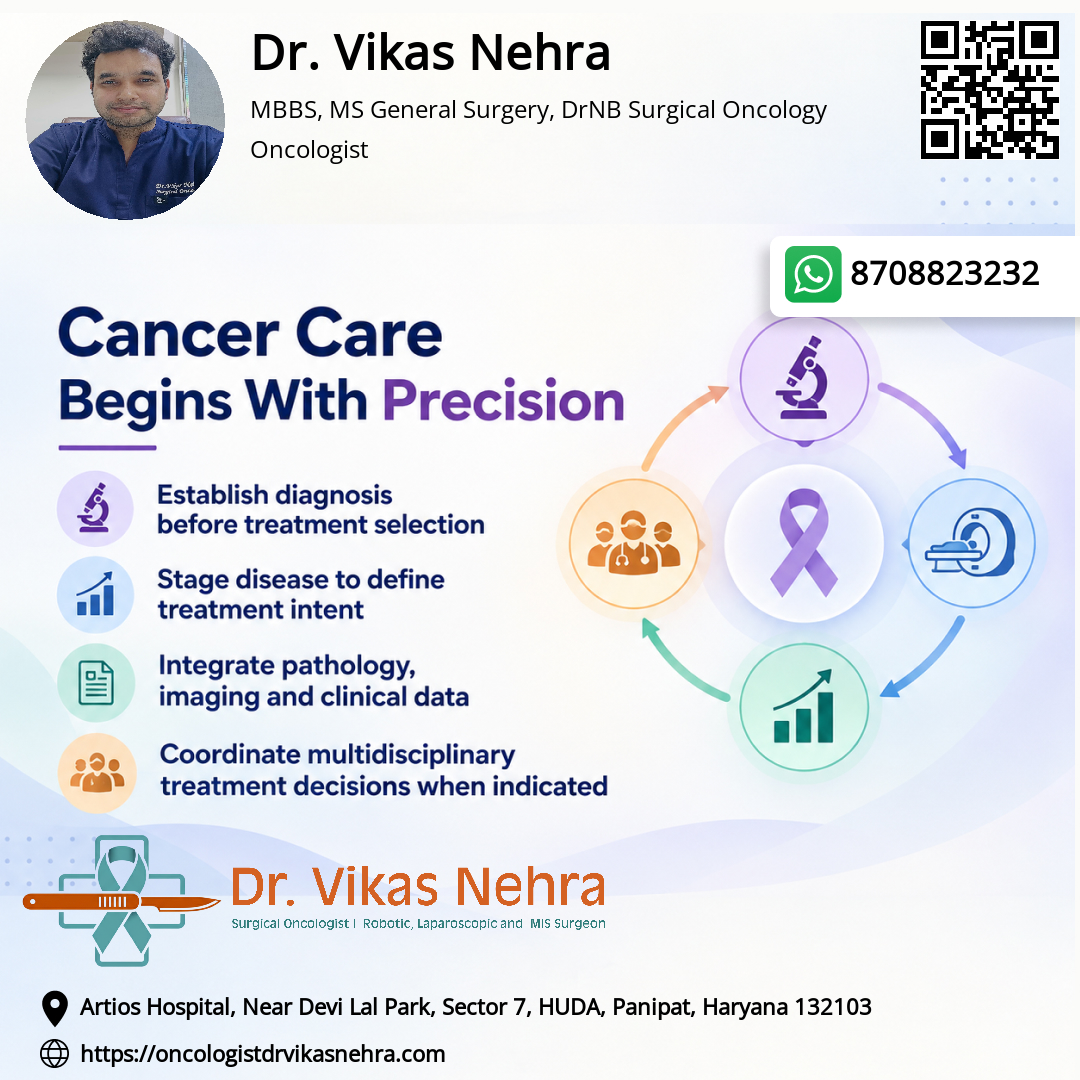
Modern cancer care is built around diagnostic precision and disease staging. Tre...See More
Oct 14, 2026
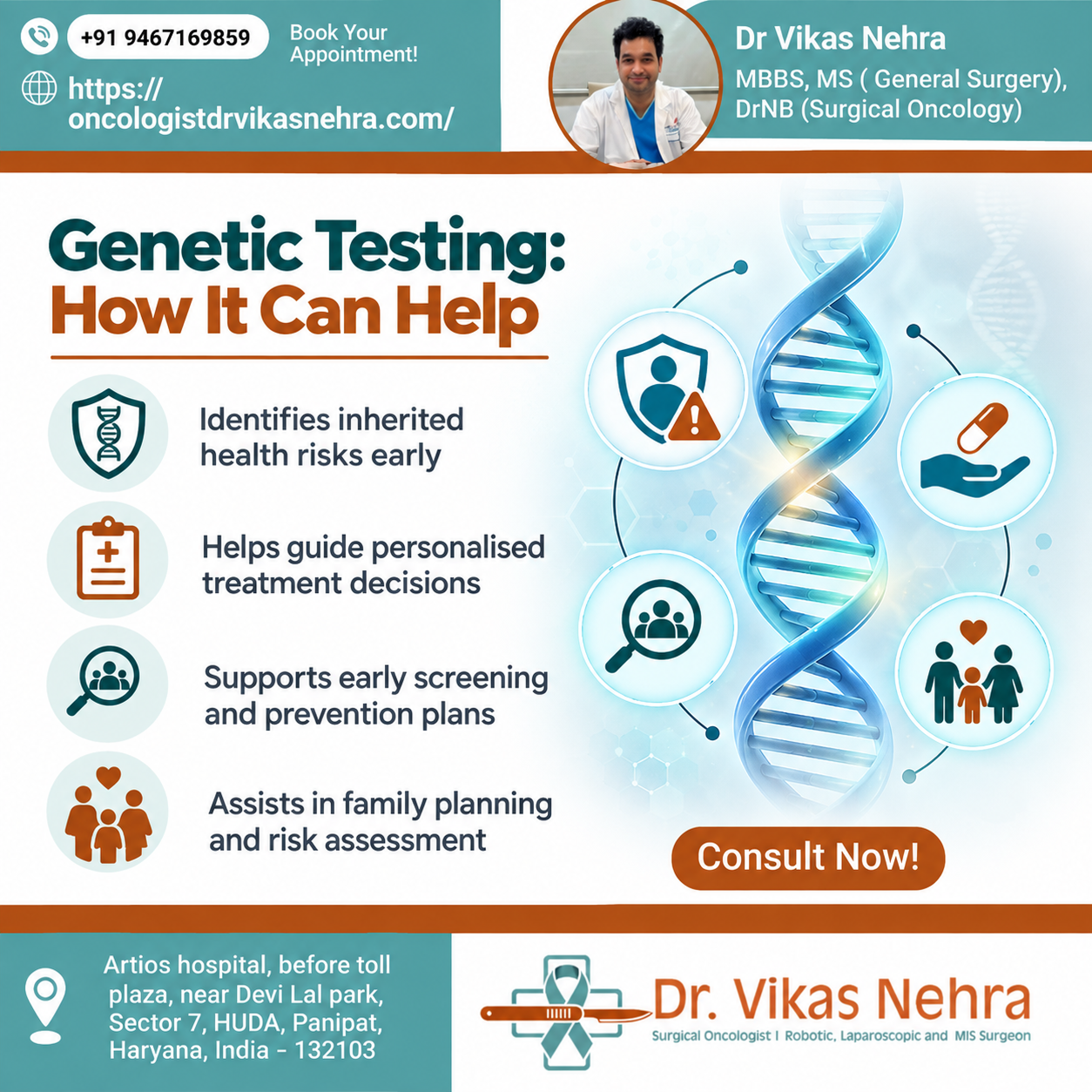
Genetic testing offers valuable insights into health risks, enabling early actio...See More
Sep 23, 2026
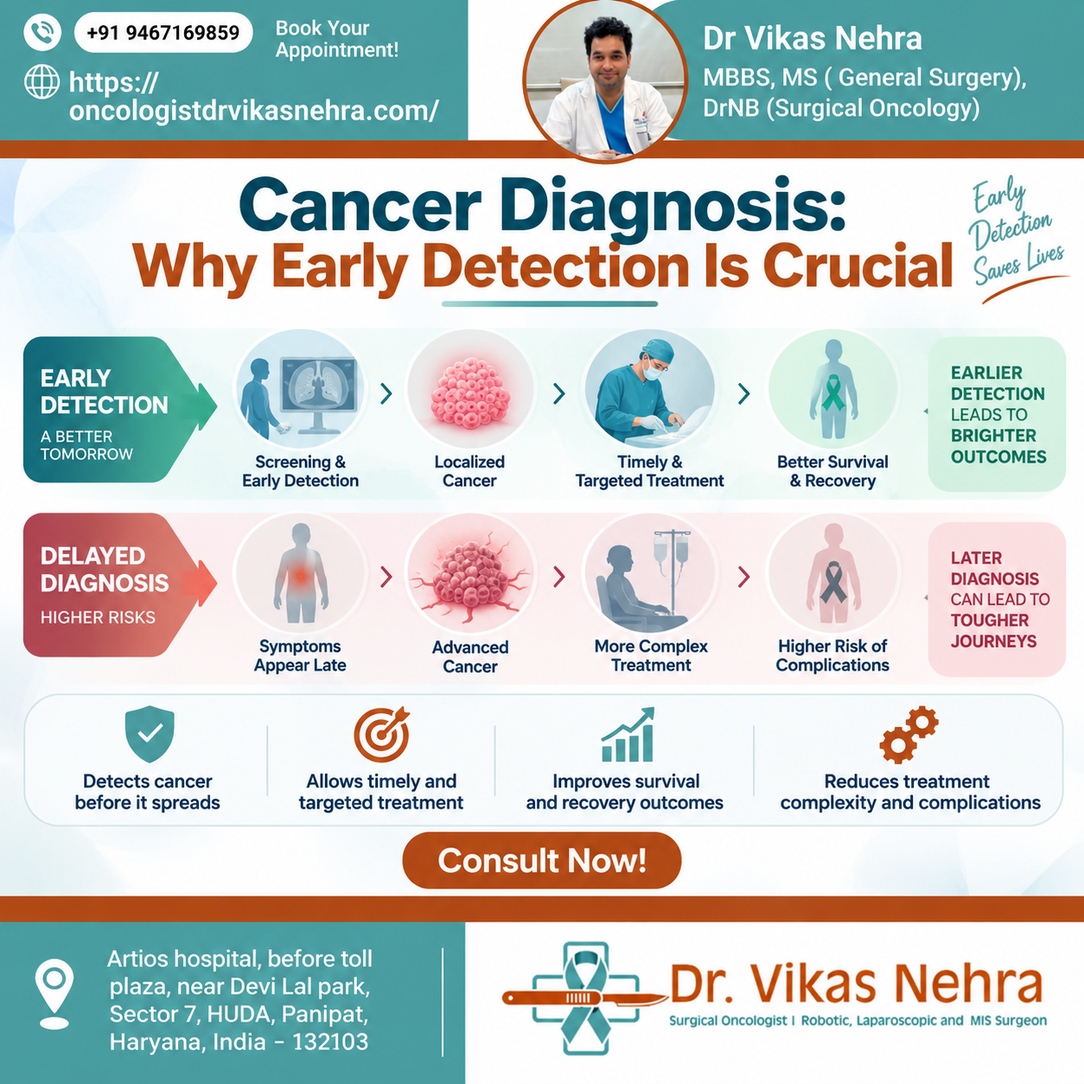
Early cancer diagnosis can change outcomes dramatically. Identifying cancer at t...See More
Sep 15, 2026
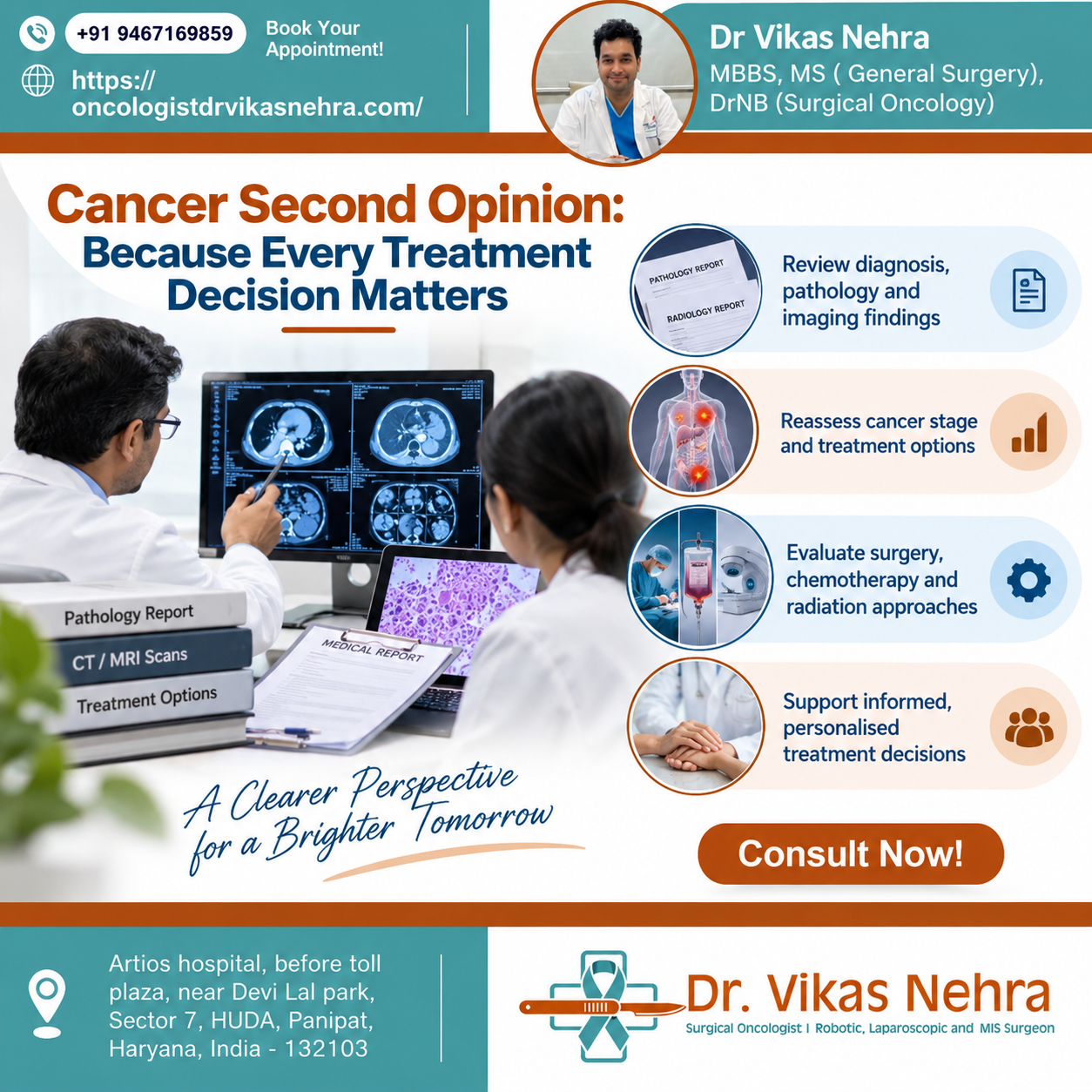
A cancer second opinion can provide greater clarity on diagnosis, treatment opti...See More
Sep 11, 2026
Colorectal cancer awareness focuses on promoting early detection and prevention ...See More
Mar 07, 2026
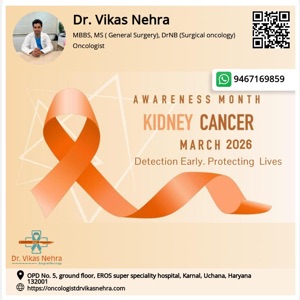
Kidney cancer awareness is vital for early detection and effective treatment. Ke...See More
Mar 07, 2026
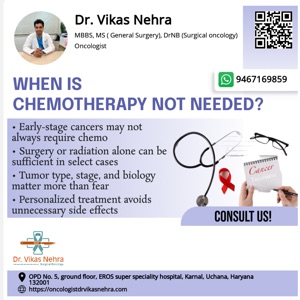
In some cases, early-stage cancers may not require chemotherapy, especially when...See More
Mar 07, 2026
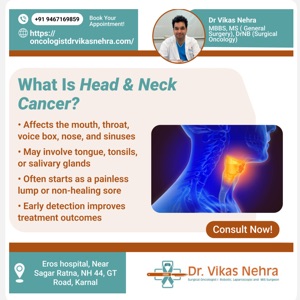
Head and neck cancer refers to a group of biologically similar cancers that orig...See More
Mar 07, 2026
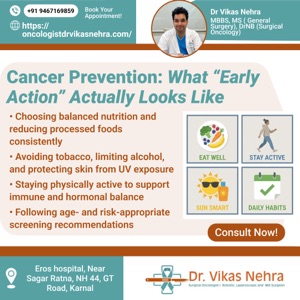
1. Eat a balanced diet rich in fruits, vegetables, and whole grains. 2. Limit re...See More
Feb 18, 2026
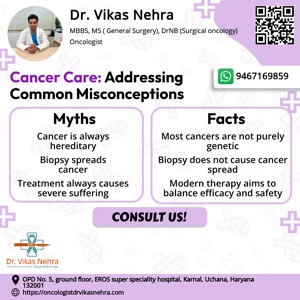
Cancer is a topic surrounded by myths. One common misconception is that cancer i...See More
Feb 18, 2026
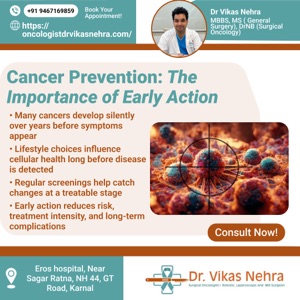
Cancer prevention is possible through healthy lifestyle choices and regular scre...See More
Feb 18, 2026
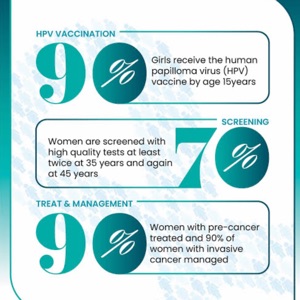
The HPV vaccination is a critical tool in preventing the human papillomavirus, w...See More
Feb 08, 2026
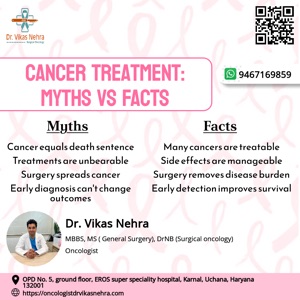
Treatment for cancer typically involves a combination of surgery, chemotherapy, ...See More
Jan 24, 2026
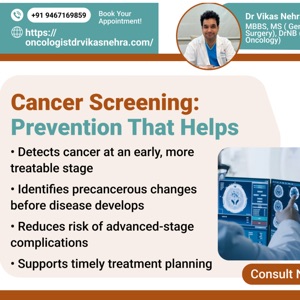
Cancer screening plays a crucial role in early detection, which can lead to more...See More
Jan 17, 2026
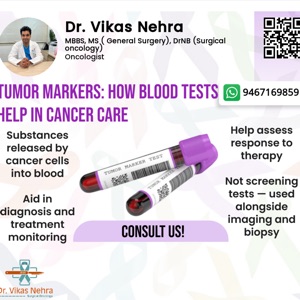
Tumor markers are substances often produced by cancer cells or by the body in re...See More
Jan 17, 2026
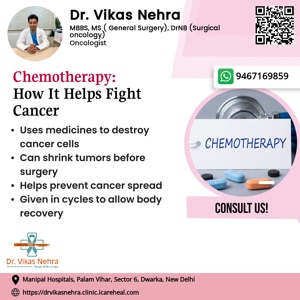
Chemotherapy is a critical cancer treatment using powerful drugs to target and d...See More
Jan 08, 2026
General Surgeon, Oncologist
.jpeg)
What our Patients says about us
We had consulted Dr Vikas Nehra surgical oncologist for my aunt, who was diagnosed with uterine cancer and doctor explained us very well regarding treatment & surgery very patiently. He took care of my aunt during whole treatment very well. And his surgery outcome was very good for my aunt, she recovered well now. Thanks to doctor. I will definitely recommend this doctor to all.

Dr. Vikas is a knowledgeable and caring oncology surgeon. With his years of experience in cancer surgery, he provides clear explanations and practical guidance throughout the treatment process. He listens patiently, addresses concerns thoughtfully, and maintains a calm, reassuring approach that builds trust. Highly recommended for anyone seeking reliable cancer care.
Dr.Vikas Nehra is very kind and polite.He listens carefully to patients.I am very satisfied with the treatment. Thank you for your support .The doctor explained everything clearly and treated me very well.Highly recommended doctor .Very professional and caring. Thku Vikas ji for your excellent care nd guidance.





Need Answers? Find them here...
Dr. Vikas Nehra is a highly accomplished Surgical Oncologist based in New Delhi, with expertise in managing complex cancers of the gastrointestinal tract, breast, head and neck, gynecologic organs, and soft tissues. With over 8 years of experience and training from premier institutes, Dr. Nehra employs both open surgeries and minimally invasive techniques, including robotic-assisted procedures, to deliver advanced and compassionate cancer care tailored to each patient's needs.
Dr. Vikas Nehra is known for his patient-centric approach, ensuring that each treatment plan is carefully personalized to achieve the best outcomes while preserving quality of life. He collaborates closely with a multidisciplinary team of oncologists, radiologists, and pathologists in New Delhi, ensuring comprehensive and evidence-based cancer care. His vision combines precision, innovation, and empathy to guide patients confidently through every step of their cancer journey.
Preventing cancer involves a multifaceted approach, including lifestyle changes, vaccinations, and regular screenings. It is crucial to maintain a healthy diet, engage in regular physical activity, avoid smoking and limit alcohol intake. Additionally, vaccinations like the HPV vaccine can help reduce cancer risk. Regular screenings such as mammograms, colonoscopies, and skin checks allow for early detection, which significantly improves treatment outcomes.
Genetic testing and counselling are vital for individuals with a family history of cancer. It helps identify genetic mutations that may increase cancer risk, empowering individuals with the information needed for proactive management. Genetic counsellors provide personalized guidance on monitoring, preventive strategies, and treatment options. This approach not only aids in early detection but can also inform preventive measures tailored to an individual's genetic profile.
Diagnosing and evaluating cancer typically involve a combination of imaging studies, biopsies, and laboratory tests. Imaging tests, such as CT, MRI, and PET scans, help visualize tumors and assess their size and spread. Biopsies provide definitive diagnosis by allowing microscopic examination of tissue samples. Blood tests can offer additional insights. Together, these tools provide a comprehensive evaluation for accurate diagnosis and effective treatment planning.
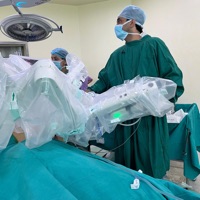
Recent advancements in the surgical management of cancers include minimally invasive techniques and precision surgery. Robotic and laparoscopic surgeries allow for smaller incisions, reduced recovery time, and fewer complications. These techniques enhance precision, resulting in better outcomes and improved quality of life. Additionally, advancements in imaging and navigation technologies have improved tumor localization, facilitating more accurate resections while sparing healthy tissue.
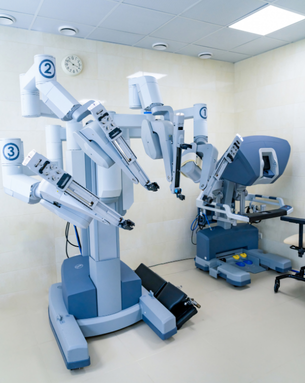
Robotic, laparoscopic, and minimally invasive surgeries (MIS) are advanced techniques that offer several benefits. Laparoscopic surgery uses small incisions and a camera to perform operations, while robotic surgery provides enhanced precision through robotic arms controlled by the surgeon. These techniques minimize trauma, reduce pain, shorten hospital stays, and accelerate recovery. Each method is selected based on the specific cancer type, location, and individual patient considerations.
Laser treatments offer precise and targeted options for managing head and neck cancers. They are particularly useful in removing superficial tumors and precancerous lesions with minimal damage to surrounding tissue. Lasers can be deployed with endoscopic techniques, allowing access to difficult or sensitive areas. This approach results in reduced bleeding, less postoperative pain, quicker recovery, and can be a vital part of palliative care to alleviate symptoms.
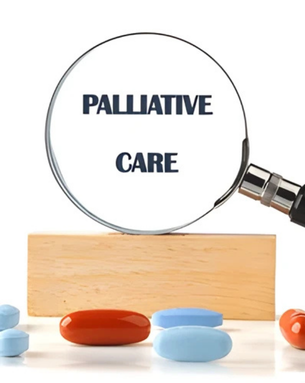
Palliative care focuses on improving quality of life for cancer patients by addressing symptoms, pain relief, and emotional support. It is an integral part of comprehensive cancer care at any stage of the disease. Palliative care specialists work with oncologists to manage side effects of treatment, provide support for psychological and social challenges, and assist with end-of-life planning. This holistic approach ensures patient and family-centered care.
A surgical oncologist develops a personalized treatment plan based on the type, stage, and location of the cancer, as well as the patient’s overall health and preferences. This involves a multidisciplinary team approach, incorporating diagnostic evaluations, patient-specific factors, and the latest clinical guidelines. Options may include surgery, chemotherapy, radiation, or a combination. Continuous assessment and adjustment of the plan ensure optimal outcomes and focus on patient-centered goals.
Follow-up care is crucial for monitoring recovery, detecting recurrences, and managing any long-term side effects of the surgery. Regular follow-ups allow healthcare providers to evaluate treatment effectiveness and modify plans if necessary. They also provide psychological support and facilitate discussions about lifestyle modifications and preventive measures. Ensuring comprehensive follow-up enhances survivorship and overall well-being, assisting patients in returning to a fulfilling life after treatment.
Individuals should see a surgical oncologist if they have been diagnosed with cancer, have persistent symptoms, or require a specialist opinion for cancer care. A referral from a primary care physician or another specialist often initiates this process. Early consultation is critical when dealing with suspicious lumps, unexplained weight loss, persistent pain, or a family history of cancer. Early evaluation and second opinions can significantly influence treatment options and outcomes.
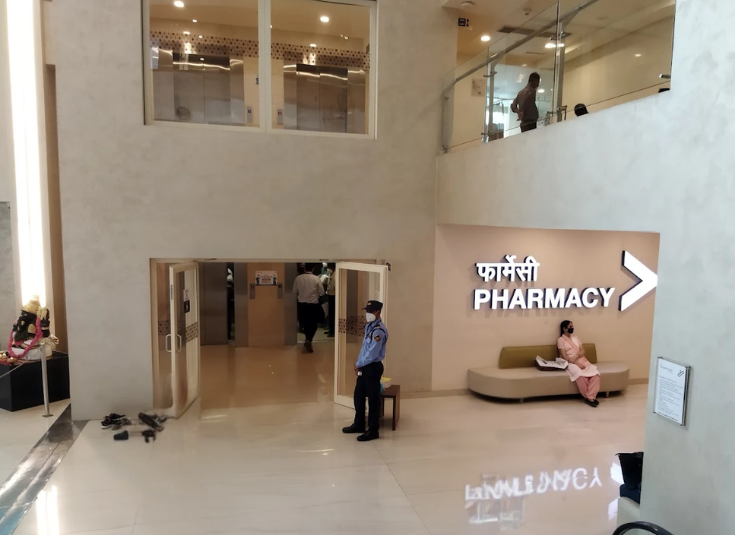
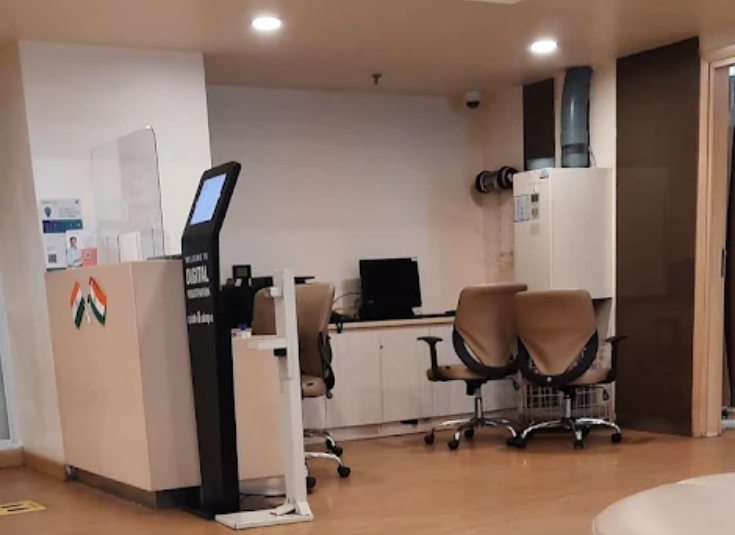
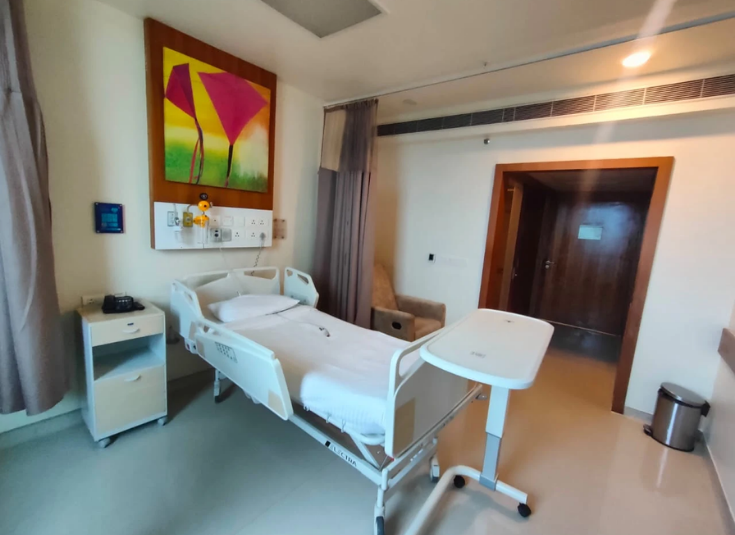
 Address :Artios hospital, before toll plaza, near Devi Lal park, Sector 7, HUDA, Panipat 132103, Haryana